

As the automotive industry evolves toward electrification, autonomy, and smart connectivity, the safety of vehicle systems has become a top priority for manufacturers, regulators, and consumers alike. Advanced automobile connector systems serve as the backbone of vehicle electrical networks, transmitting critical signals and power between core components—from powertrains to safety sensors. Integrating robust safety features into these systems is no longer an option but a necessity, ensuring vehicles operate reliably and protect occupants in all driving scenarios.
One of the most critical safety features in modern connector systems is enhanced sealing technology. Automotive environments are harsh, exposing components to extreme temperatures, moisture, dust, and vibration—all of which can compromise connection integrity. Advanced systems incorporate IP-rated sealing, preventing water and debris from entering the connector interface. This not only safeguards signal transmission but also reduces the risk of short circuits that could lead to electrical failures or even fires, a key consideration for both traditional and electric vehicles.
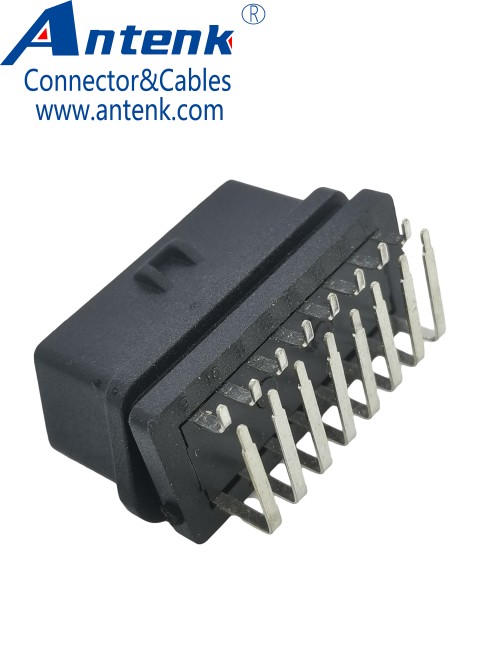
Automobile Connector systems are also integrating overcurrent and overvoltage protection mechanisms to mitigate risks associated with electrical surges. These features monitor the flow of current and voltage through the connector, automatically shutting down or diverting power if levels exceed safe thresholds. This protects sensitive vehicle electronics, such as engine control units (ECUs) and battery management systems, from damage, ensuring critical safety functions—like airbag deployment and anti-lock braking—remain operational when needed most.
Another essential safety integration is secure locking mechanisms. Loose or disconnected connectors can disrupt power and signal flow, leading to sudden system failures that endanger drivers and passengers. Advanced systems feature ergonomic, tamper-resistant locks that ensure a secure fit, even under extreme vibration from rough terrain or high-speed driving. These locks are designed to be easy to install during manufacturing but difficult to dislodge accidentally, balancing convenience with safety.
In addition to physical safety features, advanced connector systems are incorporating diagnostic capabilities to enable proactive maintenance. Real-time monitoring of connection health—such as resistance levels and temperature—allows vehicle systems to detect potential issues before they escalate. This predictive maintenance helps prevent unexpected failures, reduces downtime, and ensures that safety-critical components remain in optimal condition, supporting overall vehicle reliability.
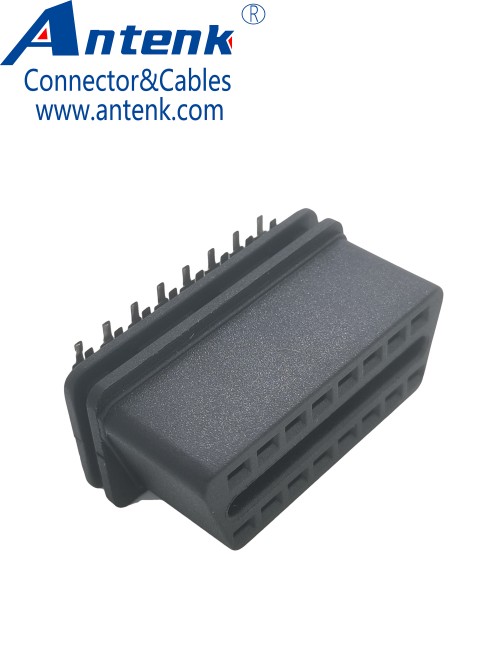
OBD Connector systems, a specialized subset of automotive connectivity, also benefit from these advanced safety features. OBD (On-Board Diagnostics) connectors are essential for vehicle diagnostics, emissions monitoring, and software updates. Integrating safety features like reverse polarity protection and short-circuit prevention ensures that OBD connectors can withstand accidental misuse during maintenance, protecting both the vehicle’s diagnostic system and the technicians working on it.
Automotive Safety Systems rely heavily on the integrity of connector systems to function effectively. From collision detection sensors to adaptive cruise control, every safety feature depends on consistent, reliable signal transmission. Advanced connector safety features—such as shielded cables to reduce electromagnetic interference (EMI)—prevent signal disruption, ensuring that safety systems respond quickly and accurately in emergency situations.
Regulatory standards are also driving the integration of critical safety features into automobile connector systems. Global bodies like the International Organization for Standardization (ISO) and the Society of Automotive Engineers (SAE) have established strict guidelines for connector safety, mandating features like flame-retardant materials and vibration resistance. Manufacturers must comply with these standards to ensure their vehicles meet global safety requirements, further emphasizing the importance of safety-focused connector design.
As vehicles become more complex, with more electrical components and connected systems, the role of automobile connector systems in ensuring safety will only grow. Future innovations will likely focus on integrating even more advanced safety features, such as AI-powered diagnostic tools and self-healing connections, to meet the evolving needs of the automotive industry. By prioritizing safety in connector design, manufacturers can build more reliable, secure vehicles that protect occupants and support the next era of automotive innovation.