

With the rapid popularization of smart electronics, new energy equipment and industrial automation systems, circuit safety protection has become a core link in electronic product design. Complex working environments such as high current fluctuation, temperature alternation and mechanical impact easily cause circuit overload and short-circuit risks. Traditional circuit protection structures have exposed many limitations in safety isolation, anti-arc performance and operational protection. Continuous safety structure upgrades of circuit protection accessories have effectively made up for these deficiencies and comprehensively elevated the overall electronic circuit protection standards of the industry.
Fuse Blocks have witnessed continuous structural optimization in safety design to adapt to upgraded industrial protection specifications. Early protective structures adopted simple open-frame designs, which lacked effective isolation measures for electric sparks and high-temperature heat generated by fuse blowout. The newly upgraded structures integrate arc suppression grooves, insulated barrier structures and anti-loosening positioning components. These optimized designs effectively block electric arc diffusion, avoid short-circuit conduction between adjacent circuits, and greatly reduce hidden safety hazards during equipment overload protection, realizing more secure and stable circuit protection.
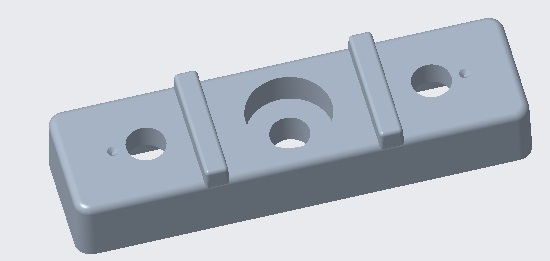
The iterative upgrading of safety structures also focuses on user operation safety and long-term equipment stability. Many traditional protective accessories are prone to accidental electric contact during manual replacement and maintenance, bringing potential electric shock risks. Modern optimized structural designs add foolproof installation structures and isolated operation cavities, which completely separate the charged part from the operating area. This humanized safety upgrade standardizes the operation process of circuit maintenance and further improves the safety threshold of electronic power systems.
Fuse Covers adopt upgraded high-strength insulating materials and integrated sealing structures in the new generation of safety designs. In high-temperature and high-humidity industrial scenarios, ordinary protective shells are easy to age and deform, leading to reduced insulation performance and dust accumulation inside the structure. The optimized sealing and dustproof structures can effectively isolate external dust, moisture and corrosive substances, prevent internal circuit oxidation and poor contact, and ensure that the protection system maintains stable performance in long-term continuous operation.
The improvement of circuit protection standards is also reflected in the compatibility and intelligent matching capability of safety structures. With the diversification of electronic equipment power parameters, a single protective structure can no longer meet the protection needs of different current and voltage levels. The newly optimized safety structures support multi-specification adaptive matching, with standardized structural size design and accurate current limiting positioning functions. It can quickly respond to abnormal circuit current, realize fast fusing protection, and avoid equipment burnout and circuit fire accidents caused by delayed protection.
Fuseholders structural innovation promotes the unified upgrading of global electronic circuit protection industry norms. In the past, the safety design standards of protective accessories in different regions were inconsistent, resulting in uneven product quality and poor cross-regional compatibility. The latest optimized safety structures refer to international electrical safety standards, realizing unified specifications in insulation performance, arc resistance, high temperature resistance and structural stability, which greatly promotes the standardized and standardized development of the circuit protection accessory industry.
Industry analysts pointed out that as electronic equipment moves toward high power density and intelligent integration, circuit safety risks will become more complex. Continuous safety structure optimization and technological iteration of protective accessories will become an inevitable trend of industry development. Future structural upgrades will combine intelligent monitoring modules with traditional mechanical protection structures to realize real-time early warning and active protection of circuit abnormalities, further comprehensively improving the safety and reliability of modern electronic circuit systems.